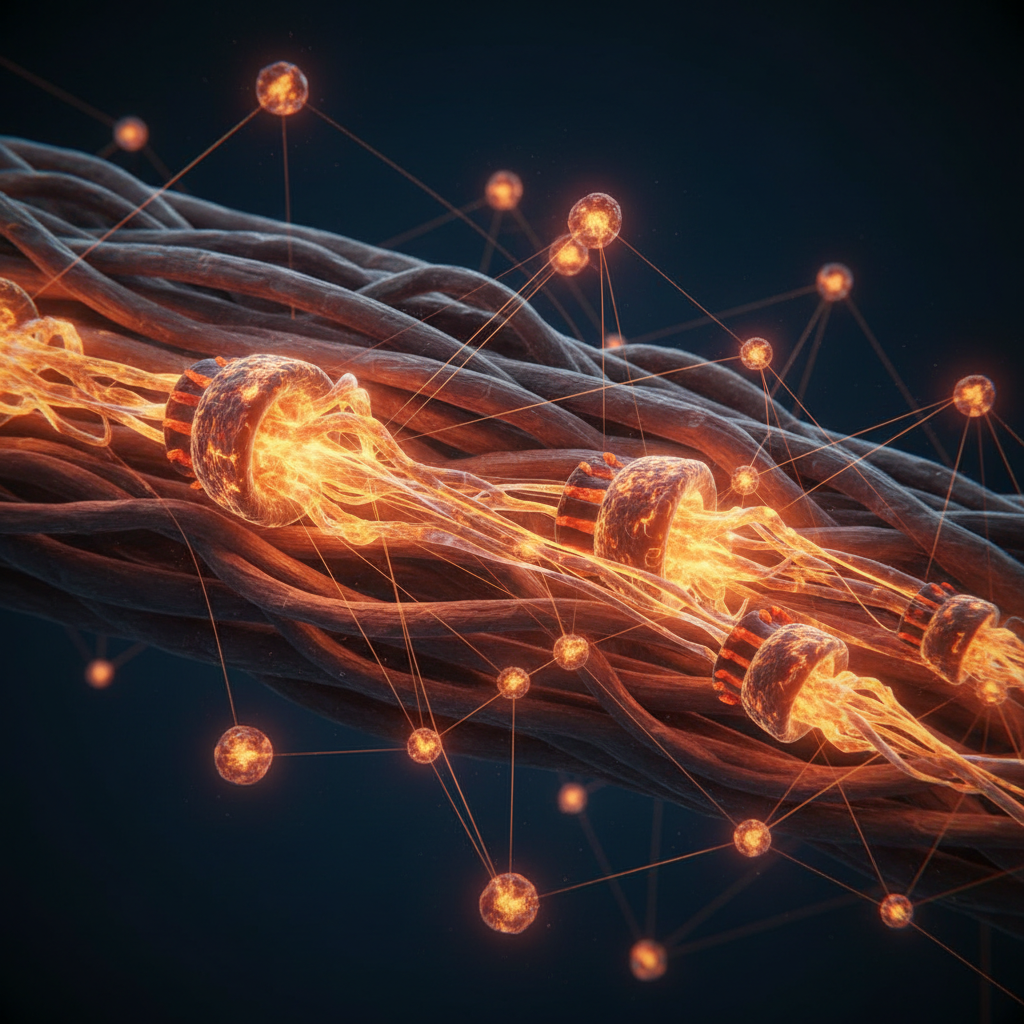
Mitochondrial Power Development: Training Your Cellular Engines
Mitochondrial Power Development
Training Your Cellular Engines for Peak Performance
To supercharge your mitochondrial power, think of it as training your cellular engines. The most effective strategies combine exercise, nutrition, and lifestyle habits that stimulate mitochondrial biogenesis and efficiency.
Exercise: The Ultimate Mitochondrial Stimulator
HIIT: Short bursts of intense effort followed by rest dramatically increase mitochondrial density and function. Intense intervals push your cells to produce energy faster and adapt stronger.
Zone 2 Cardio: Sustained aerobic activity boosts mitochondrial biogenesis via PGC-1α activation. Builds your base engine without burnout.
Resistance Training: While not as potent for biogenesis, it improves mitochondrial dynamics and insulin sensitivity.
NEAT (daily walks, mobility): Sustains metabolic demand and circulation without fatigue — crucial for daily mitochondrial turnover.
Nutrition & Supplementation Stack
| Nutrient | Why It Works | Best Sources | |---|---|---| | B Vitamins (B3/Niacin) | Fuel NAD+ for ATP production — without them, energy production grinds down | Eggs, leafy greens, liver | | CoQ10 + Alpha-lipoic acid | Shuttle electrons through mitochondrial membranes, reduce oxidative stress | Supplement | | L-Carnitine | Transports fatty acids into mitochondria for fuel | Red meat, supplement | | Creatine | Buffer to rapidly regenerate ATP, especially in fast-twitch muscle fibers | Supplement | | Polyphenols (Resveratrol, EGCG) | Stimulate sirtuins — internal repair crews for mitochondrial function and longevity | Berries, green tea, grapes | | NMN / NR | Advanced NAD+ support for longevity | Supplement |
Lifestyle Activators
| Habit | Why It Works | Frequency | |---|---|---| | Cold Exposure | Activates brown adipose tissue, drives thermogenesis and mitochondrial biogenesis | 3–5x/week | | Infrared Light Therapy | Targets cytochrome C oxidase, enhancing ATP output | 3x/week | | Intermittent Fasting (14–16 hrs) | Creates metabolic stress, prompting damaged mitochondria to be recycled (mitophagy) | 5x/week | | Optimised Sleep (7–9 hrs) | Clears cellular waste via the glymphatic system; allows mitochondria to repair | Daily | | Breathwork / Meditation | Regulates nervous system, reduces cortisol, prevents chronic mitochondrial damage | Daily |
Sample Weekly Protocol
- Monday: HIIT + Cold Shower + Polyphenol-rich dinner
- Tuesday: Resistance training + Zone 2 cardio + Infrared light
- Wednesday: Fast till lunch + Meditation + B-complex smoothie
- Thursday: Mobility + Resistance training + Cold Shower
- Friday: HIIT + Fasting window + Sleep optimisation
- Saturday: Active recovery + Light cardio + Creatine & CoQ10
- Sunday: Nature walk + Journaling + Nutrient-dense meals
Photobiomodulation (PBM) for Mitochondrial Power
PBM uses red (600–700 nm) and near-infrared (700–1000+ nm) light to stimulate mitochondrial function by activating cytochrome c oxidase in the electron transport chain. This boosts ATP production, reduces oxidative stress, and enhances cellular resilience.
Longevity pathways stimulated by PBM:
- Increased ATP production
- Reduced oxidative stress
- Enhanced cellular repair
- Improved blood flow via nitric oxide release
PBM + Mitochondria Synergy Stack
Stacking for Maximum Effect:
- PBM + NAD+: NAD+ precursors amplify ATP gain from light exposure.
- PBM + Cold: Cold increases mitochondrial density; light primes energy systems.
- PBM + Fasting: Fasting activates mitophagy; light accelerates repair signalling.
Coaching Quotes
“Energy isn’t found — it’s activated.”
“Discomfort is where mitochondria thrive.”
“Your biology is listening to your behaviour.”
“Stacking isn’t just biohacking — it’s bio-symphony. When light, breath, cold, and rhythm align, your mitochondria don’t just adapt — they evolve.”